In today’s digital world, having a website alone is not enough. Millions of websites compete for attention, and if your site does not appear on search engines, potential visitors may never find your content or business. This is where SEO optimization becomes important.
SEO (Search Engine Optimization) is the process of improving a website so that it ranks higher in search engine results and attracts relevant traffic organically.
What is SEO Optimization?
SEO optimization is the practice of making changes to a website to improve its visibility on search engines such as Google. The main goal is to increase website traffic by helping users find relevant content more easily.
SEO is not only about inserting keywords into content. It includes technical improvements, content quality, user experience, and authority building.
Why is SEO Important?
SEO provides several advantages for businesses and websites:
- Increases organic traffic
- Improves website visibility
- Builds trust and credibility
- Generates quality leads
- Enhances user experience
- Supports long-term growth
- Reduces dependency on paid advertising
Unlike paid ads, SEO can continue driving traffic even after content is published and optimized.
Types of SEO Optimization
1. On-Page SEO
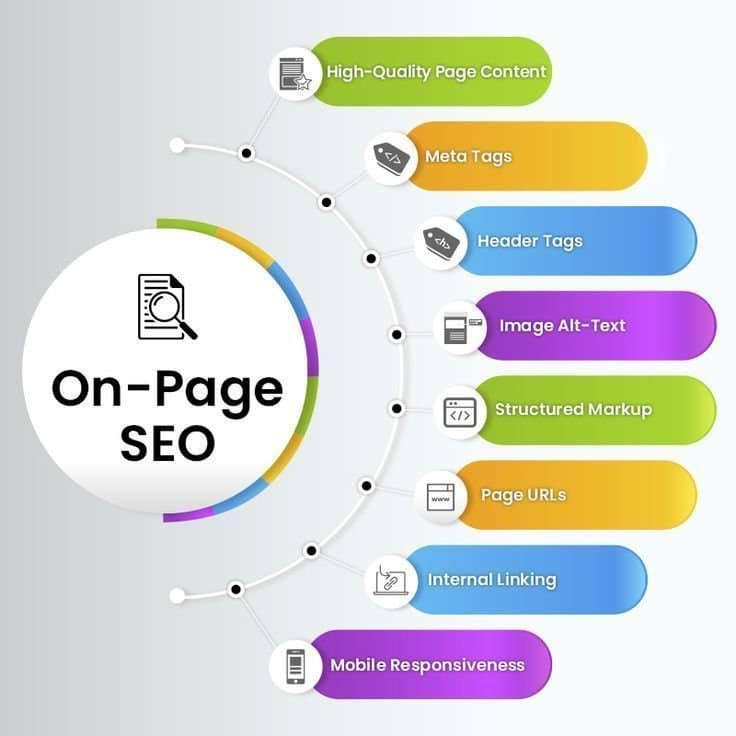
On-page SEO includes all optimizations done directly on your website pages.
Examples include:
- Using relevant keywords
- Writing optimized titles and meta descriptions
- Adding heading tags (H1, H2, H3)
- Optimizing images
- Improving content readability
- Internal linking
2. Off-Page SEO
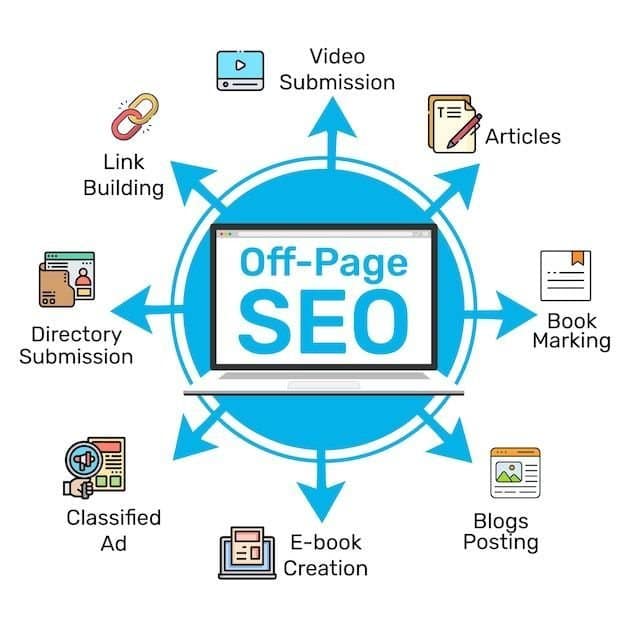
Off-page SEO refers to activities outside your website that improve authority.
Examples:
- Building backlinks
- Social media promotion
- Guest blogging
- Brand mentions
- Influencer collaborations
Quality backlinks act as signals of trust to search engines.
3. Technical SEO

Technical SEO focuses on website performance and search engine crawling.
Important elements:
- Website speed
- Mobile responsiveness
- Secure HTTPS connection
- XML sitemap
- Structured data
- Crawlability
- Fixing broken links
Even good content may struggle to rank if technical SEO issues exist.
Important SEO Optimization Factors
Keyword Research
Keywords help search engines understand your content.
Examples:
- SEO optimization
- SEO tips for beginners
- Website SEO services
Choose keywords based on:
- Search volume
- Competition
- User intent
- Relevance
Quality Content
Search engines prioritize valuable content.
Good content should:
- Answer user questions
- Be well structured
- Be easy to read
- Provide useful information
- Be updated regularly
User Experience
Search engines increasingly consider user experience.
Factors include:
- Fast loading pages
- Mobile-friendly design
- Easy navigation
- Clear layout
- Reduced bounce rate
Internal Linking
Internal links connect one page of your website to another.
Benefits:
- Helps users navigate
- Improves crawling
- Distributes page authority
Example:
A blog about digital marketing may link to articles about SEO, Google Ads, and social media marketing.
Common SEO Mistakes to Avoid
Avoid these common mistakes:
- Keyword stuffing
- Duplicate content
- Ignoring mobile optimization
- Slow website speed
- Poor quality backlinks
- Missing title tags
- Not updating content
- Ignoring analytics
Simple SEO Optimization Checklist
✓ Research relevant keywords
✓ Write quality content
✓ Optimize titles and headings
✓ Improve website speed
✓ Add internal links
✓ Optimize images
✓ Make the site mobile friendly
✓ Build quality backlinks
✓ Monitor performance regularly